
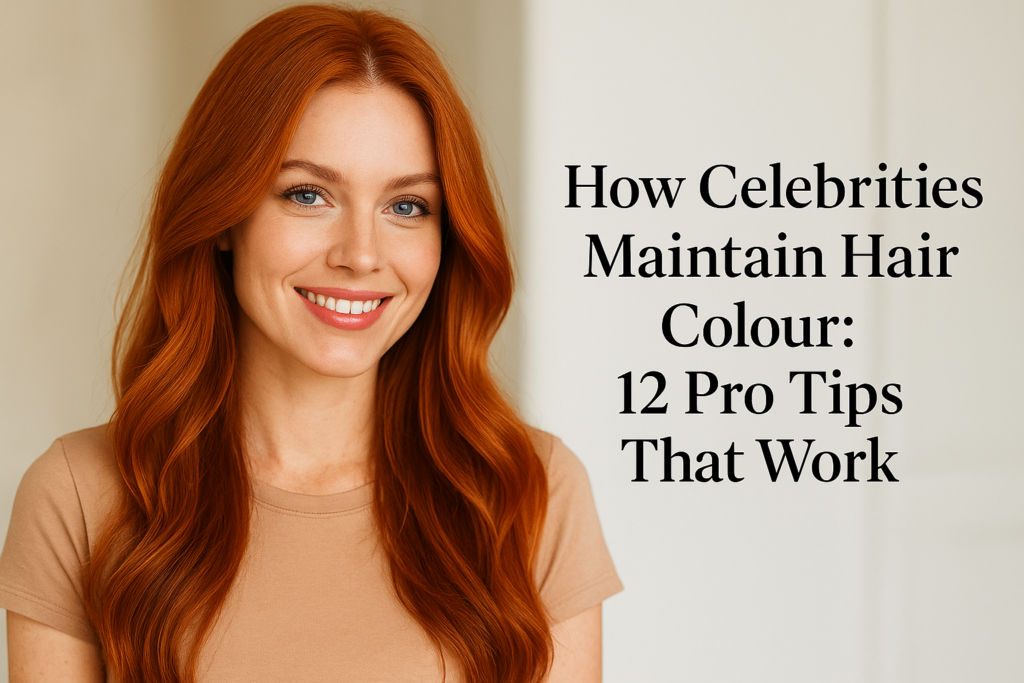
You colour your hair at home or pay for expensive salon visits, but within weeks your vibrant shade fades, your roots show through, and that fresh glossy finish disappears. You see celebrities with seemingly perfect colour every single day on Instagram and red carpets, and wonder what they know that you don’t. The truth is how celebrities maintain hair colour involves specific methods and products that keep their shades looking camera ready between appointments, and most of these strategies work brilliantly at home without costing a fortune.
This article reveals twelve professional techniques that celebrity colourists use to keep their clients looking flawless. You’ll discover the exact maintenance schedules, product choices, and styling habits that protect colour from fading, how to handle regrowth gracefully, and which at home treatments actually make a difference. Whether you’re blonde, brunette, silver, or rocking bold fashion shades, these tips help your colour stay vibrant, glossy, and healthy looking for weeks longer than you’re used to.
1. Upgrade to plex enriched colour at home
Your choice of hair colour formula determines how long your shade stays vibrant and how healthy your hair remains throughout the colouring process. Celebrities don’t rely on basic box dyes that strip and damage their hair with every application. They use professional quality formulas enriched with plex technology that actively strengthen hair bonds whilst depositing colour, and you can access these same formulas at home without paying salon prices.
Why pro quality colour matters for longevity
Professional grade colour formulas contain higher quality pigments that penetrate your hair cuticle more effectively and resist fading far longer than drugstore alternatives. These formulas typically include conditioning agents that protect your hair during the chemical process rather than leaving it dry and brittle. Understanding how celebrities maintain hair colour starts with choosing products that maintain structural integrity whilst delivering rich, true to shade results that last weeks longer between touch ups.
How plex technology keeps celebrity hair strong
Plex technology works by creating new bonds within your hair structure that prevent breakage during and after the colouring process. This bond building innovation repairs existing damage whilst protecting against new stress, leaving your hair stronger and glossier than traditional colour formulas ever could. Your hair retains more moisture, resists breakage when you style it, and holds colour pigment more effectively because the cuticle remains sealed and healthy.
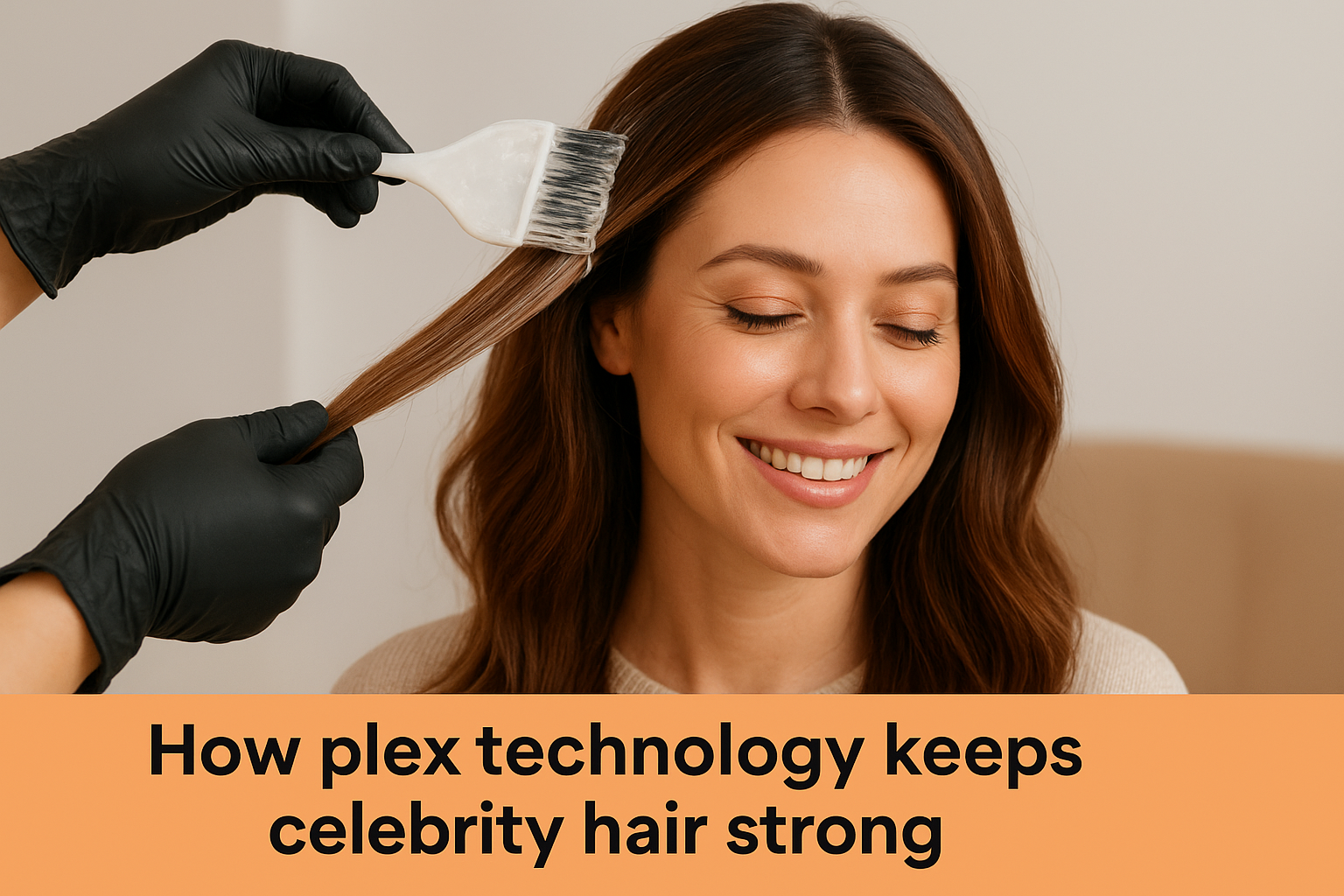
Professional formulas with plex technology transform home colouring from damaging to strengthening.
Smart Beauty options for every base and shade goal
Smart Beauty offers plex enriched permanent colour in dozens of shades from natural browns and reds to bold fashion colours and silver tones. Each formula is vegan and cruelty free, made without PPD, ammonia, or resorcinol that irritate sensitive scalps. You’ll find options designed specifically for blonde hair, dark blonde, light brown, and brown bases, plus collections for pink, red, plum, purple, black, blue, and copper shades that deliver exactly what you see on the box.
Patch tests and strand tests for safe colouring
Always perform a patch test 48 hours before you colour to check for allergic reactions, even if you’ve used the same product previously. Apply a small amount of mixed colour behind your ear or on your inner elbow, leave it for the full development time, then rinse and monitor for redness or irritation. Strand tests help you preview the final shade on your actual hair, particularly important when you’re changing colours dramatically or working with previously coloured hair.
2. Schedule colour like a celebrity
Your maintenance schedule determines whether your colour looks fresh or faded, and celebrities follow strict timetables that keep their shades looking professionally done at all times. Understanding how celebrities maintain hair colour includes knowing exactly when to schedule your next application based on your specific shade, technique, and lifestyle. Strategic timing prevents obvious regrowth lines, maintains colour vibrancy, and keeps your hair healthy by avoiding overprocessing from too frequent applications.
Typical touch up timelines for different shades
Permanent colour typically needs refreshing every four to six weeks depending on how quickly your hair grows and how noticeable your natural colour is against your coloured shade. Blonde shades show roots faster and often need attention every four weeks, whilst darker browns and blacks can stretch to six or even eight weeks between full applications. Semi permanent colours fade gradually rather than showing harsh regrowth lines, letting you extend touch ups to eight weeks or longer depending on how much fading you find acceptable.
Using shadow roots and grey blending to stretch regrowth
Shadow roots involve colouring your roots slightly darker than your mid lengths and ends, creating an intentional gradient that makes regrowth far less obvious as it grows out. Grey blending incorporates your natural silver strands as part of your colour design through herringbone highlights or balayage placement, turning regrowth into a design feature rather than something to hide. Both techniques let you extend time between salon visits by several weeks whilst maintaining a polished, deliberate look.
When to see a salon and when to colour at home
Book professional appointments for major colour changes, corrections after mistakes, or complex techniques like balayage that require expert placement. Handle root touch ups and single process colour confidently at home using plex enriched formulas that deliver salon quality results without the expense. Your hair type, colour goals, and confidence level determine which jobs you tackle yourself and which need professional expertise.
Strategic scheduling keeps your colour looking intentional rather than neglected.
Building a realistic maintenance plan around your life
Map your colour schedule around holidays, events, and budget constraints rather than waiting until your roots look terrible before booking your next appointment. Stock your bathroom with the products you need for touch ups at least two weeks before you’ll need them, preventing last minute panic purchases. Realistic planning means your colour always looks deliberate and well maintained rather than obviously overdue for attention.
3. Switch to colour safe hair washing
Your daily washing routine determines how quickly your colour fades, and celebrities follow specific protocols that protect their shades from premature dulling. Understanding how celebrities maintain hair colour requires rethinking everything from your shampoo formula to your water temperature, because harsh cleansing strips pigment faster than anything else you do to your hair. Making these switches extends the life of your colour dramatically whilst keeping your hair healthy and vibrant between applications.
Why sulphate free shampoos protect colour
Sulphates create that satisfying lather you associate with clean hair, but these aggressive detergents strip colour molecules straight out of your hair cuticle with every wash. Your colour literally rinses down the drain along with the suds, leaving your shade dull and faded within days of application. Sulphate free formulas cleanse your scalp and hair gently without disrupting the colour molecules locked inside your cuticle, keeping your shade vibrant for weeks longer than traditional shampoos allow.
How often celebrities really wash their hair
Most celebrities wash their coloured hair just two or three times weekly rather than daily, preserving both colour vibrancy and natural oils that keep hair glossy. Between washes, they use dry shampoo to absorb oil and refresh their style without any water contact that might fade colour. Your scalp adjusts to less frequent washing within two weeks, producing less oil once it stops being stripped daily.
Best water temperature and shower habits for colour
Hot water opens your hair cuticle and allows colour molecules to escape, whilst cool or lukewarm water keeps the cuticle sealed tight around your pigment. Rinse your coloured hair with the coolest temperature you can tolerate comfortably, particularly during your final rinse after conditioning.
Cool water seals your cuticle and locks colour inside where it belongs.
Choosing the right conditioner for your hair type
Match your conditioner to both your colour and your hair texture for optimal results. Fine hair needs lightweight colour safe conditioners that won’t weigh down your strands, whilst thick or coarse hair benefits from richer formulas that provide extra moisture. Apply conditioner from your mid lengths to your ends rather than coating your roots, preventing that greasy look whilst protecting your most vulnerable colour treated sections.
4. Use toners and purple shampoo wisely
Toners and purple shampoos rank among the most effective weapons celebrities use to maintain colour vibrancy between full colouring sessions, yet most people misunderstand when and how to use them correctly. Learning how celebrities maintain hair colour includes mastering these colour correcting products that neutralise unwanted tones and restore brilliance without the commitment of permanent colour. Strategic toning extends the life of your shade by weeks whilst keeping your hair looking freshly coloured rather than faded or brassy.
How toners and glosses refresh dull colour
Toners deposit subtle pigment that neutralises unwanted undertones that develop as your colour fades or oxidises from exposure to heat, sun, and washing. Blonde hair often shifts yellow or orange, whilst brunettes can develop red or copper tones that look brassy rather than rich. Glosses add shine whilst depositing translucent colour that refreshes your existing shade without the commitment or processing time of permanent colour. Apply toners and glosses to damp hair immediately after shampooing, leave them for the recommended time (typically five to ten minutes), then rinse thoroughly with cool water.
When blondes and silvers need purple shampoo
Purple shampoo contains violet pigments that counteract yellow tones in blonde and silver hair through colour theory, as purple sits opposite yellow on the colour wheel. Use purple shampoo once or twice weekly by applying it to wet hair, leaving it for three to five minutes, then rinsing completely. Your hair needs purple shampoo whenever you notice warmth creeping in, particularly if you swim in chlorinated pools, spend time in the sun, or live in areas with hard water that deposits mineral buildup.
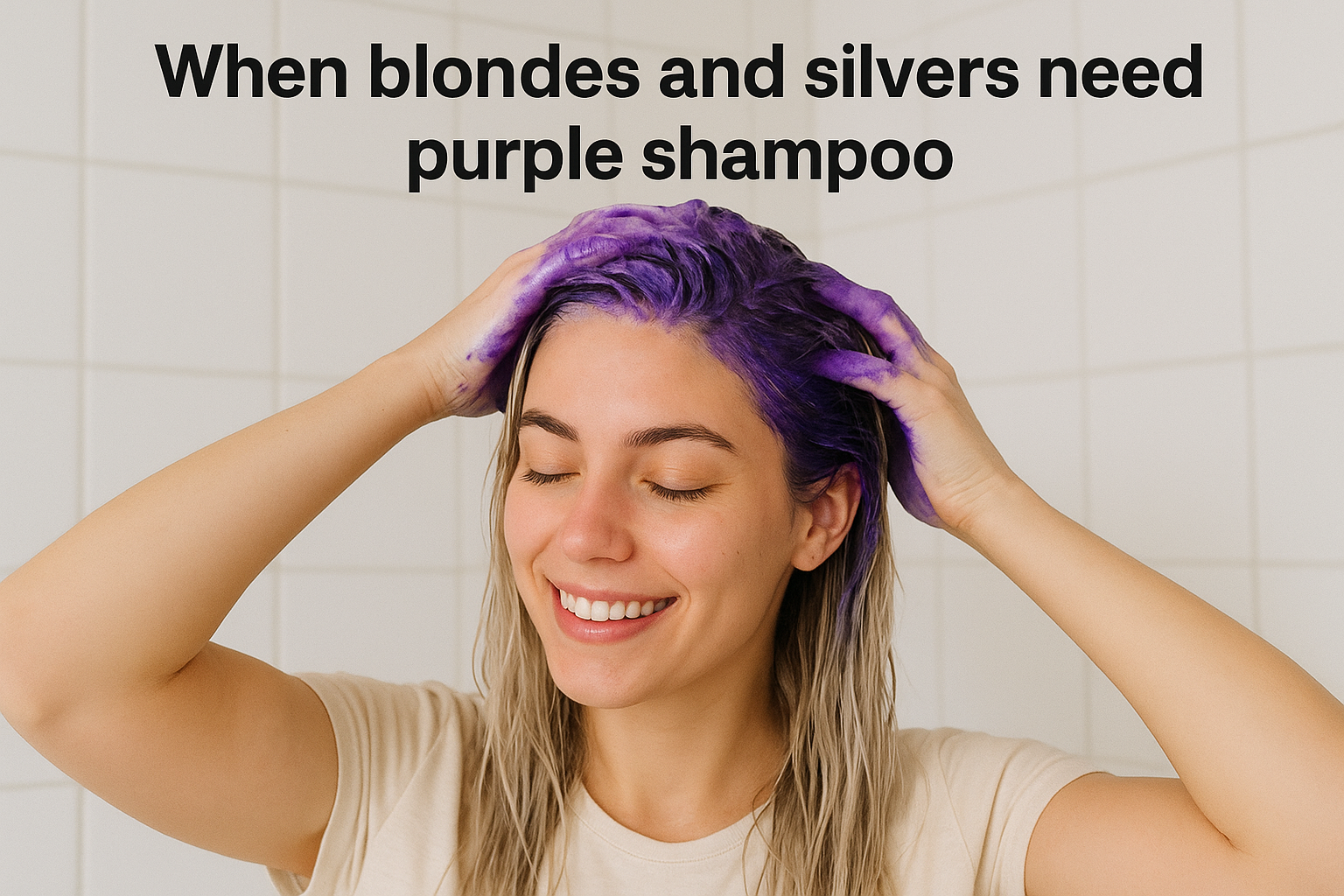
Purple shampoo works through colour theory to neutralise brassiness that dulls blonde and silver shades.
Toning tricks for brunettes and redheads
Brunettes benefit from blue or green based toners that cancel unwanted red or orange tones that make dark hair look rusty rather than rich and dimensional. Red hair fades towards orange or copper, requiring red depositing shampoos or glosses that refresh vibrancy without permanent colour application. Apply these colour correcting products the same way you would purple shampoo, adjusting frequency based on how quickly your shade shifts away from your desired tone.
How often to tone without overdoing it
Tone your hair only when you visibly notice unwanted colour shifts rather than following a rigid schedule, as overusing toning products deposits too much pigment and creates muddy or overly dark results. Most coloured hair needs toning every two to four weeks depending on your shade, lifestyle, and water quality. Skip toning sessions if your colour looks true to shade, and reduce frequency if your hair starts looking darker or duller than you want.
5. Treat your hair to regular masks
Your coloured hair loses moisture during the chemical colouring process, and regular deep conditioning masks restore the softness and elasticity that keep your colour looking glossy rather than dull. Celebrities never skip their weekly mask treatments because these intensive formulas repair damage, seal your cuticle around colour molecules, and prevent the dry brittle texture that makes even fresh colour look tired. Learning how celebrities maintain hair colour includes building consistent mask treatments into your routine rather than treating them as occasional luxuries.
Why coloured hair needs extra moisture
Colour treatments open your hair cuticle to deposit pigment, and this process removes natural oils and proteins that keep your strands supple and strong. Your coloured hair becomes more porous and vulnerable to breakage, requiring intentional hydration that regular conditioner simply cannot provide. Masks contain concentrated ingredients that penetrate deeper into your hair shaft, filling gaps and smoothing your cuticle for improved shine and colour retention.
Weekly mask routines celebrities swear by
Apply your deep conditioning mask once weekly after shampooing, focusing on your mid lengths and ends where colour damage accumulates most. Leave the mask on for ten to fifteen minutes (or follow packet instructions), allowing the ingredients time to penetrate fully before rinsing with cool water. Consistency matters more than product price, as your hair responds better to regular weekly treatments than sporadic intensive sessions.
Weekly masks prevent the cumulative damage that makes colour look faded and unhealthy over time.
Balancing protein and hydration in treatments
Alternate between protein rich masks that strengthen your hair structure and moisture focused treatments that add softness and flexibility. Too much protein makes your hair stiff and prone to snapping, whilst excessive moisture without protein leaves your strands limp and weak. Your hair needs both elements in balance for optimal health and colour retention.
Overnight tips for deep repair without breakage
Apply your mask before bed, twist your hair into a loose bun, and cover it with a silk or satin cap to prevent transfer onto your pillowcase. The extended contact time allows ingredients to penetrate deeply whilst you sleep, and you wake to noticeably softer hair. Rinse thoroughly in the morning with cool water to seal your cuticle and lock in the treatment benefits.
6. Always protect colour from heat
Your styling tools strip colour pigment every single time you apply heat without protection, and this daily damage accumulates faster than you might realise. Celebrities rely on strict heat protection protocols that preserve their colour between appointments, treating every blow dry and straightening session as a potential threat to their shade vibrancy. Understanding how celebrities maintain hair colour includes recognising that unprotected heat exposure causes more colour fading than almost any other factor in your routine, turning your expensive colour dull and brassy within days rather than weeks.
Why hot tools fade colour and cause brassiness
Heat opens your hair cuticle and literally evaporates colour molecules from inside your hair shaft, particularly affecting lighter shades that show fading most obviously. Your straighteners and curling tongs reach temperatures that alter the chemical structure of your colour pigment, shifting blonde tones yellow, brunettes orange, and vibrant fashion colours towards muddy versions of themselves. Every heat styling session without protection accelerates this process, meaning your colour deteriorates a little more with each pass of your tools.
Choosing the right heat protectant for your routine
Apply heat protectant to damp hair before blow drying and to dry hair before using hot tools, ensuring complete coverage from roots to ends. Look for products containing silicones that create a physical barrier between your hair and heat, or newer formulas with heat activated polymers that seal your cuticle. Spray formulas work quickly for everyday styling, whilst cream protectants suit thicker hair that needs extra moisture alongside heat defence.
Heat protectant is non negotiable for coloured hair, not optional.
Healthier ways to blow dry and style every day
Reduce your dryer temperature to medium or cool settings and increase airflow speed instead, achieving the same drying time without excessive heat damage. Keep your dryer moving constantly rather than concentrating heat on one section, and maintain at least six inches distance from your hair. Rough dry your hair to 80 percent before using a brush, minimising total heat exposure whilst still achieving smooth results.
Setting realistic limits on straighteners and tongs
Restrict hot tool use to two or three times weekly rather than daily, embracing your natural texture on alternate days to preserve colour vibrancy. Lower your tool temperature to the minimum setting that achieves your desired style, as most people use unnecessarily high heat that damages hair and colour. Pass over each section only once or twice maximum, resisting the temptation to repeatedly straighten or curl the same strands.
7. Shield your colour from sun and water
Your carefully maintained colour faces serious threats every time you step outside or take a dip, and these environmental factors fade your shade faster than you might expect. Celebrities follow strict protection protocols during outdoor activities because they understand that UV exposure and water contact strip colour pigment far more aggressively than daily washing ever could. Mastering how celebrities maintain hair colour includes treating sun and water as enemies of your colour vibrancy, taking preventative steps before exposure rather than trying to fix damage afterwards.
How UV light changes hair colour over time
Ultraviolet rays break down the colour molecules deposited inside your hair shaft during colouring, causing permanent fading that cannot be reversed without recolouring. Your hair lightens and shifts tone under consistent sun exposure, with blonde shades turning brassy yellow, brunettes developing unwanted copper or red tones, and fashion colours losing their vibrancy entirely. This damage accumulates gradually with every outdoor moment, meaning your colour deteriorates steadily even when you don’t notice dramatic changes day to day.
Pool and sea water protection for holiday hair
Chlorine in swimming pools strips colour pigment whilst depositing green mineral residue that particularly affects blonde and silver shades. Salt water dries your hair and opens the cuticle, allowing colour to wash out directly into the ocean. Apply a leave in conditioner or hair oil before swimming to create a protective barrier, rinse your hair immediately after swimming, and follow with a clarifying treatment to remove chemical buildup.

UV exposure and water contact strip colour faster than any other environmental factors.
Everyday tricks like hats scarves and UV sprays
Wear wide brimmed hats or tie scarves around your hair during extended outdoor activities, creating a physical barrier against UV rays. UV protection sprays designed specifically for hair coat your strands with filters that absorb or reflect damaging radiation before it reaches your colour molecules. Apply these sprays before sun exposure rather than afterwards for maximum protection.
After sun care to rescue stressed coloured hair
Treat sun exposed hair with intensive moisture masks within 24 hours of prolonged outdoor time, restoring hydration lost to UV and heat. Apply a colour depositing gloss or toner if your shade has shifted noticeably towards unwanted tones, refreshing your vibrancy without permanent colour commitment. Deep conditioning and toning treatments repair immediate damage whilst preventing further deterioration.
8. Choose flattering shades and techniques
Your shade selection determines whether your colour makes you look vibrant and youthful or washed out and tired, and celebrities work closely with their colourists to choose tones that complement their natural colouring rather than fighting against it. Understanding how celebrities maintain hair colour includes selecting shades that enhance your complexion and using techniques that add dimension instead of flat single tones. Strategic colour placement creates the illusion of expensive salon work whilst minimising obvious regrowth lines that require constant maintenance.
Matching undertones of hair and skin like a pro
Identify your skin undertone by checking the veins on your inner wrist, as blue veins indicate cool undertones whilst green veins suggest warm undertones. Cool skin tones look best with ashy browns, platinum blondes, and true reds, whilst warm skin tones suit golden blondes, rich chestnuts, and copper shades. Matching your hair colour undertone to your skin prevents that disconnected look where your colour drains rather than enhances your natural complexion.
Using highlights lowlights and balayage for dimension
Single process colour creates flat results that look obviously dyed, whilst dimensional techniques mimic how natural hair reflects light with varied tones throughout. Highlights add brightness around your face, lowlights create depth through darker sections, and balayage placement delivers hand painted colour that grows out beautifully without harsh lines. These techniques keep your colour looking expensive and natural rather than obviously artificial.
Dimensional colour techniques create natural looking results that require less frequent maintenance.
Grey blending and herringbone highlights for regrowth
Grey blending incorporates your natural silver strands as intentional design elements rather than coverage targets, creating a sophisticated salt and pepper effect. Herringbone highlights zigzag through your hair at various angles, disguising regrowth patterns that would show obviously with traditional foil placement. Both techniques extend time between colour sessions by making new growth look deliberate.
When to go warmer or cooler to look fresher
Add warmth to your colour when your complexion looks sallow or tired, using golden or copper tones that bring life back to your face. Choose cooler shades when your skin appears ruddy or flushed, as ashy or neutral tones balance redness beautifully. Seasonal shifts often require slight adjustments, with warmer tones suiting summer tans and cooler shades complementing winter complexions.
9. Adjust styling habits to protect colour
Your daily styling habits create constant friction and stress that strips colour pigment faster than you realise, and celebrities modify their entire hair care routine to protect their expensive colour investment. Understanding how celebrities maintain hair colour extends beyond products into the physical tools and techniques you use every single day, from the moment you step out of the shower until you finish styling. Small changes to your towels, brushes, and finishing products prevent cumulative damage that dulls your colour and shortens the time between touch ups.
Towels pillowcases and tools that are colour friendly
Switch from traditional terry cloth towels to microfibre alternatives that absorb water without roughing up your cuticle and releasing colour molecules. Your towel friction opens the cuticle every time you rub your hair dry, allowing pigment to transfer directly onto the fabric whilst damaging your hair structure. Silk or satin pillowcases reduce overnight friction that causes colour fade and breakage whilst you sleep, particularly important if you toss and turn frequently throughout the night.
Why clarifying shampoos and harsh styling products hurt colour
Clarifying shampoos strip buildup aggressively, removing colour molecules along with product residue and leaving your shade visibly duller after just one wash. Alcohol based styling products dry your hair and open the cuticle, creating pathways for colour to escape with every application. Reserve clarifying treatments for once monthly use only, and check your styling product ingredients for high alcohol content that compromises colour longevity.
Gentle tools and alcohol free products preserve colour by preventing unnecessary cuticle disruption.
Brushing and detangling without causing breakage
Start detangling from your ends and work upwards towards your roots using a wide tooth comb or wet brush designed specifically for fragile hair. Aggressive brushing from roots to ends snaps coloured hair that’s already weakened by chemical processing, causing breakage and split ends that make your colour look damaged. Wait until your hair is 80 percent dry before brushing thoroughly, as wet hair stretches and breaks far more easily than dry strands.
Salon worthy finishes using kinder styling methods
Embrace air drying whenever possible, using styling creams or mousses that enhance your natural texture without heat damage. Pin curl your hair overnight for heatless waves, or try braiding techniques that create texture whilst protecting your colour from hot tool exposure. These gentler methods deliver polished results whilst extending the life of your colour by weeks compared to daily heat styling routines.
10. Keep your scalp and ends healthy
Your scalp condition and hair ends directly impact how long your colour stays vibrant and how healthy your hair appears overall. Understanding how celebrities maintain hair colour includes recognising that overall hair health determines how well your strands hold pigment and resist fading, making scalp care and regular trims essential parts of your colour maintenance routine rather than optional extras.
Why scalp health affects how long colour lasts
A healthy scalp produces natural oils that seal your hair cuticle and lock colour molecules inside where they belong. Buildup from products, dead skin cells, and excess oil creates a barrier that prevents colour from penetrating evenly during application and causes patchy fading afterwards. Your scalp condition determines the strength of new hair growth, meaning healthy follicles produce stronger strands that hold colour better.
Trimming schedules to keep ends looking rich
Schedule trims every eight to twelve weeks to remove split ends that make your colour look dull regardless of how recently you coloured. Your ends absorb and release colour faster than your roots because they’re older and more porous, appearing faded even when your roots still look fresh.
Healthy ends hold colour pigment more effectively and maintain vibrancy longer than damaged split ends.
Gentle scalp care for sensitive or coloured hair
Massage your scalp gently whilst shampooing to stimulate circulation without causing irritation or stripping natural oils. Choose sulphate free shampoos formulated specifically for coloured hair that cleanse without disrupting your scalp’s natural balance.
Nutrition sleep and stress for stronger hair growth
Eat protein rich foods, leafy greens, and healthy fats that provide the building blocks your hair needs to grow strong and resilient. Your body prioritises essential functions over hair growth during stress or sleep deprivation, producing weaker strands that hold colour poorly.
11. Use smart fixes between colour sessions
Your colour won’t stay perfect between appointments, but strategic temporary solutions disguise regrowth and refresh fading tones without committing to full colour applications. Understanding how celebrities maintain hair colour includes knowing exactly which quick fix products work for specific problems, from obvious roots to uneven fade patterns. These temporary measures buy you extra weeks between permanent colour sessions whilst keeping your hair looking deliberately styled rather than neglected.
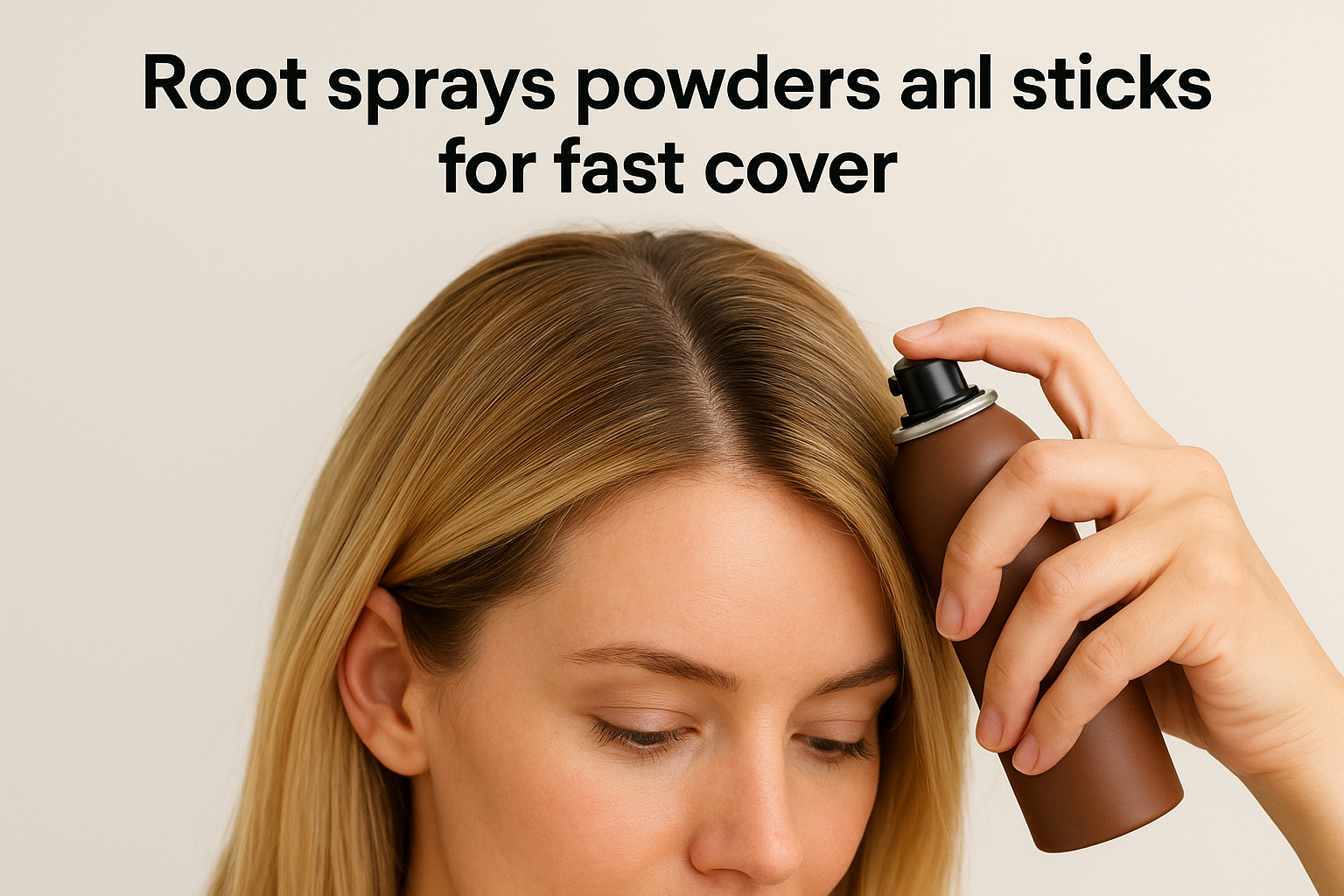
Root sprays powders and sticks for fast cover
Apply root cover sprays or powders directly to visible regrowth along your parting and hairline, matching your shade as closely as possible for seamless blending. These products sit on your hair surface rather than penetrating the cuticle, washing out completely with your next shampoo. Powders suit fine hair that shows roots quickly, whilst spray formulas work better on thicker hair that needs broader coverage across larger sections.
Glosses colour refreshers and semi permanent top ups
Colour depositing glosses refresh your overall vibrancy without the commitment of permanent colour, typically lasting three to six washes. Semi permanent formulas coat your hair shaft with pigment that gradually fades rather than showing harsh regrowth lines, perfect for maintaining fashion shades between full applications.
Quick fix products extend your colour by weeks without the commitment of permanent applications.
Blending demarcation lines as colour grows out
Smudge the line between your natural colour and coloured hair using semi permanent shades one tone darker than your coloured hair. This creates a gradual transition that looks intentional rather than obvious regrowth.
What to do if a colour starts to fade unevenly
Apply colour refreshing treatments specifically to sections that fade faster, typically around your face and hairline where you handle your hair most frequently. Targeted application prevents overdoing colour on sections that remain vibrant.
12. Plan big colour changes in stages
Your dramatic colour transformation needs careful planning across multiple sessions rather than attempting everything in one go. Celebrities never rush from dark brunette to platinum blonde overnight because they understand that gradual transitions preserve hair health whilst delivering better results. Learning how celebrities maintain hair colour includes recognising when patience delivers superior outcomes compared to aggressive single session changes that compromise your hair integrity.
Why celebrities shift shade gradually not overnight
Your hair structure weakens significantly when you process it too aggressively in one session, leading to breakage and damage that ruins your final result regardless of how perfect the colour might be. Celebrities protect their hair by spacing colour changes across several appointments, allowing their strands to recover between sessions. This staged approach prevents the straw like texture and excessive breakage that happens when you try lifting multiple levels of colour in one sitting.
Mapping your journey from dark to blonde or silver
Plan your transition in two or three sessions spaced four to six weeks apart, lifting your base colour gradually towards your target shade. Each session should lighten your hair by no more than two or three levels to maintain structural integrity whilst moving steadily towards your goal.
When to bleach and when to use high lift colour
Choose bleach when you need to lift dark bases by four or more levels, particularly for platinum or pastel shades. High lift colour works for lifting blonde or light brown bases by two to three levels without bleach.
Gradual colour changes preserve hair health whilst delivering dramatically better results than rushed single sessions.
Knowing when to call a professional for corrections
Book professional help immediately if your colour turns unexpectedly orange, green, or patchy rather than attempting home corrections. Complex colour corrections require expert assessment of your hair’s condition and porosity.
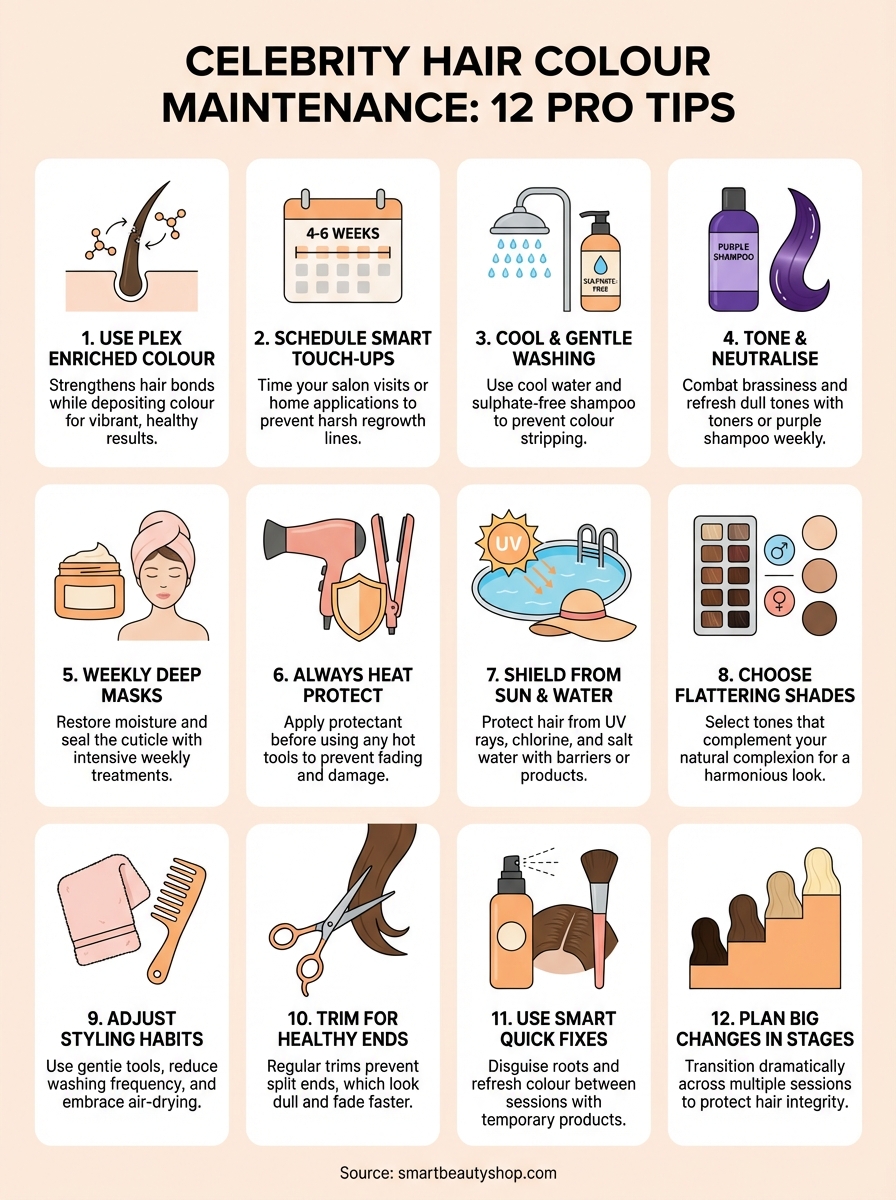
Keep your colour camera ready
You now have the exact maintenance strategies that keep celebrity colour looking flawless between appointments and camera ready every single day. These twelve professional techniques prevent premature fading, disguise obvious regrowth gracefully, and protect your hair health whilst delivering the vibrant glossy results you spot on red carpets and Instagram feeds. Understanding how celebrities maintain hair colour gives you the power to extend your colour by weeks whilst keeping your strands noticeably stronger and healthier than traditional colouring methods ever could.
Smart Beauty’s plex enriched formulas build this essential protection directly into your colouring process rather than requiring expensive separate treatments afterwards. Browse our Cover & Care System for vegan and cruelty free colour that delivers reliable coverage whilst actively nourishing your hair with every single application. Your camera ready colour transformation starts today by choosing professional quality formulas that protect your hair as they colour it.